

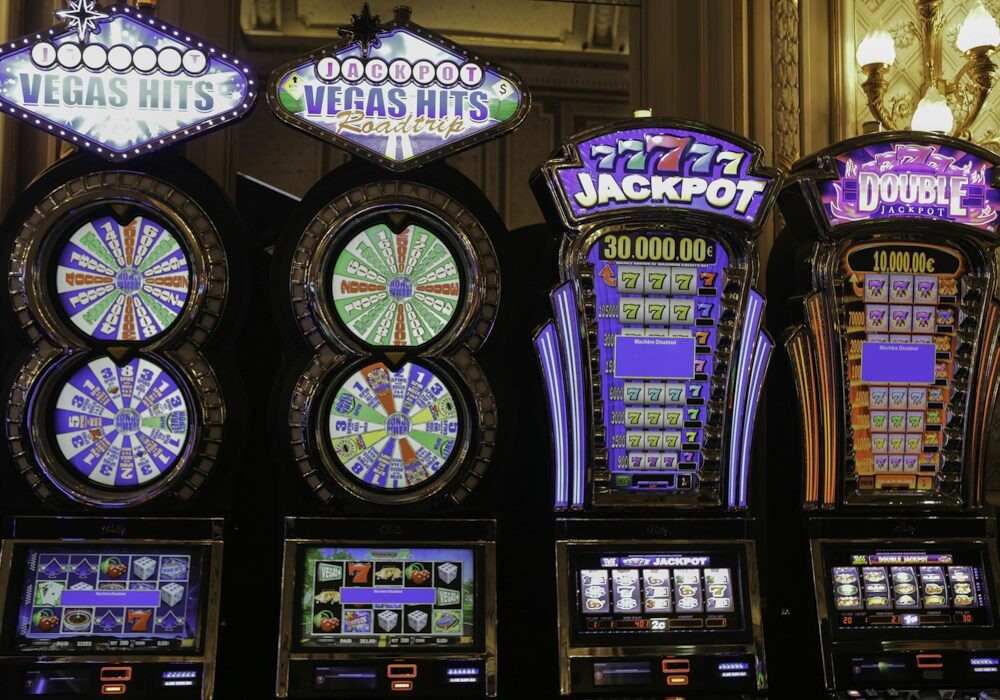
Progressive jackpot slots use a prize pool that can increase over time rather than remaining at one fixed amount. A changing number on a screen can attract attention, but the number describes a potential prize, not a personal forecast. Understanding the system means separating the displayed pool, the rules that determine an award, and the financial uncertainty of gambling.
This article explains how progressive jackpots work as a matter of game design and consumer information. It does not recommend jackpot slots, rank casinos, or suggest a method for winning. Terms such as seed value, contribution rate, and network pool help describe the machinery behind the display. They should not be confused with evidence that a particular player is likely to receive the amount shown.
Different products implement progressive systems differently, so a general description cannot replace a specific game’s published information. A picture of a large win, a rising counter, or a recent winner’s story reveals very little about someone else’s outcome. The sections below provide a framework for reading those claims carefully, recognizing missing information, and understanding why a large possible reward can coexist with substantial risk.
How Progressive Jackpot Slots Differ from Fixed Prizes
A fixed prize is defined by a stated amount or a formula in the game’s rules. A progressive prize is associated with a pool whose displayed value can change. Some games contain both ordinary fixed awards and one or more progressive components. The word progressive therefore describes a particular prize mechanism; it does not tell you everything about the rest of the game.
The distinction is important when reading an advertisement. A screenshot of one meter does not describe all possible outcomes, and a headline amount is not the value of every award. A page may display a top-level pool while the rules describe several separate prize levels. Each number needs its own label before it can be interpreted sensibly.
| Term | What it describes | What it does not prove |
|---|---|---|
| Displayed jackpot | A reported pool value at a particular time | A likely personal payout |
| Seed or reset value | The starting amount after a reset | That the next award is close |
| Contribution rate | A rule for allocating funds to a pool | An individual savings balance |
| Network pool | A prize system linked across participating games | Identical rules everywhere |
| Fixed award | A prize specified by the relevant paytable | A progressive prize |
Funding, Growth, and Resets
The pool is separate from an individual account
In a contribution-funded system, the design allocates a defined portion of eligible activity to the jackpot pool. That allocation should not be described as a personal deposit into a savings account. It does not establish a recoverable balance for each participant, and seeing a meter increase does not show that any particular person has moved closer to receiving it.
For a simple accounting illustration, imagine a hypothetical pool receiving ten cents from a defined unit of activity. One thousand such units would add one hundred dollars before any other adjustments. This arithmetic explains how a shared total could grow; it does not specify a real product’s contribution rate, award probability, eligibility, or payout rules. Those facts would need independent documentation.
Reset values and ceilings need context
A pool may reset to a stated starting amount after an award, and some systems have a ceiling. The UK Gambling Commission’s progressive jackpot technical standard illustrates the disclosures a regulator can require, including funding, seed values, ceilings, award rules, and handling of overflow. This is a UK technical reference, not a statement of US law or approval of any operator.
A visible reset is an event in the pool’s history, not a message about what an observer should do next. Likewise, a total that has grown for a long time is a record of the system, not proof that a specific person is owed a result. Growth and entitlement are different concepts, even when a display makes them feel connected.
Why a Prize Amount Is Not a Probability
Probability concerns how likely an event is. Prize size concerns the value attached to that event. A very large amount can be associated with a very uncommon outcome, so quoting the amount alone leaves out essential information. It is not possible to calculate a meaningful personal expectation from a jackpot headline without knowing the relevant mechanics and probabilities.
A hypothetical comparison makes the distinction clearer without describing any actual game. Two sealed drawings could advertise the same prize while containing different numbers of possible tickets. The identical headline would not establish identical chances. Slot systems are not necessarily ticket drawings, but the logical point remains: a prize label and a probability are separate pieces of information.
Do not infer odds from a photograph of winners or a list of recent awards. Such material selects completed events rather than showing every unsuccessful outcome. A story about one person also does not establish what a different person should expect. Large numbers and memorable anecdotes can feel informative while leaving the most relevant statistical questions unanswered.
RTP, Volatility, and the Jackpot Component
Return to player, usually abbreviated RTP, describes a theoretical or measured aggregate return rather than an individual refund promise. The Gambling Commission’s gaming-machine information explains that an average over many games can differ from the experience of a typical session. A percentage displayed in information screens should not be read as a guarantee that one person receives that percentage of their money back.
Suppose a hypothetical model uses a 95% long-run return. That does not mean a person putting in one hundred dollars receives ninety-five dollars on request, or that a five-dollar loss is the maximum possible loss. It describes an average under the model’s assumptions across many outcomes. A short sequence can differ greatly from that average, including losing the entire amount committed.
Rare, large prizes can complicate measurement. In its guidance on measuring progressive jackpots, the regulator distinguishes monitoring the base game from monitoring infrequent jackpot events. For a reader, the practical implication is about interpretation: a single headline percentage may not explain how ordinary outcomes and a rare prize component contribute to the whole system.
Volatility describes variation in outcomes, not a schedule that can be followed. Calling a game volatile does not identify the time of a large award. A long-run average also creates no obligation for a system to compensate an individual after losses. Treating an accounting average as a personal timetable is a mistake.
Reading Claims Without Filling in the Gaps
A useful description should distinguish the pool’s scope, the timestamp of a displayed amount, and the source of the rules. It should also make clear whether figures are current, historical, or purely illustrative. If those distinctions are absent, it is reasonable to treat the claim as incomplete. Missing information should remain missing rather than being replaced with assumptions.
Words such as daily, guaranteed, and must-award need precise definitions. Even if rules establish that a pool will be awarded within a particular interval, that would not mean every participant receives something or that one person has a guarantee. The subject of the promise matters: a statement about a system-wide event is different from a statement about an individual outcome.
For US readers, an international technical document or a familiar brand name does not establish authorization in a particular location. This article does not assess any operator’s legal status. It is an adult, 21+ educational explanation, with no recommendation to gamble. Avoid treating jackpot headlines as income plans or reasons to replace money already lost; stepping away involves no requirement to recover a prior loss first.
Frequently Asked Questions
Ques: What does progressive mean in progressive slots?
It refers to a prize pool that can grow according to the system’s rules. It does not mean that an individual’s likelihood of receiving the displayed prize steadily increases with time spent looking at the game.
Ques: Does a bigger jackpot mean a guaranteed better outcome?
No. The displayed value alone does not establish probability, eligibility, or a personal result. A larger possible prize and a likely prize are different ideas.
Ques: Does a reset mean the pool has disappeared?
A reset generally returns the displayed amount to a defined starting value after an award. The exact handling belongs to the system’s rules; it should not be guessed from a screenshot.
Ques: Can an RTP figure predict one session?
No. An aggregate percentage does not promise an individual result or limit the amount someone may lose during a short period.
Conclusion
Progressive jackpot slots are easier to understand when the prize pool is separated from the probability of receiving it. A growing display describes a system value, not a personal entitlement or a countdown to success. Funding rules, reset values, and network arrangements explain parts of the design but do not remove uncertainty. RTP and volatility need equally careful reading because neither predicts an individual session. Treat missing details as unanswered questions instead of accepting a promotional headline as a complete explanation. Most importantly, a large possible award should never be treated as dependable income or a reason to chase losses. Understanding the terminology is useful on its own and does not require spending money.